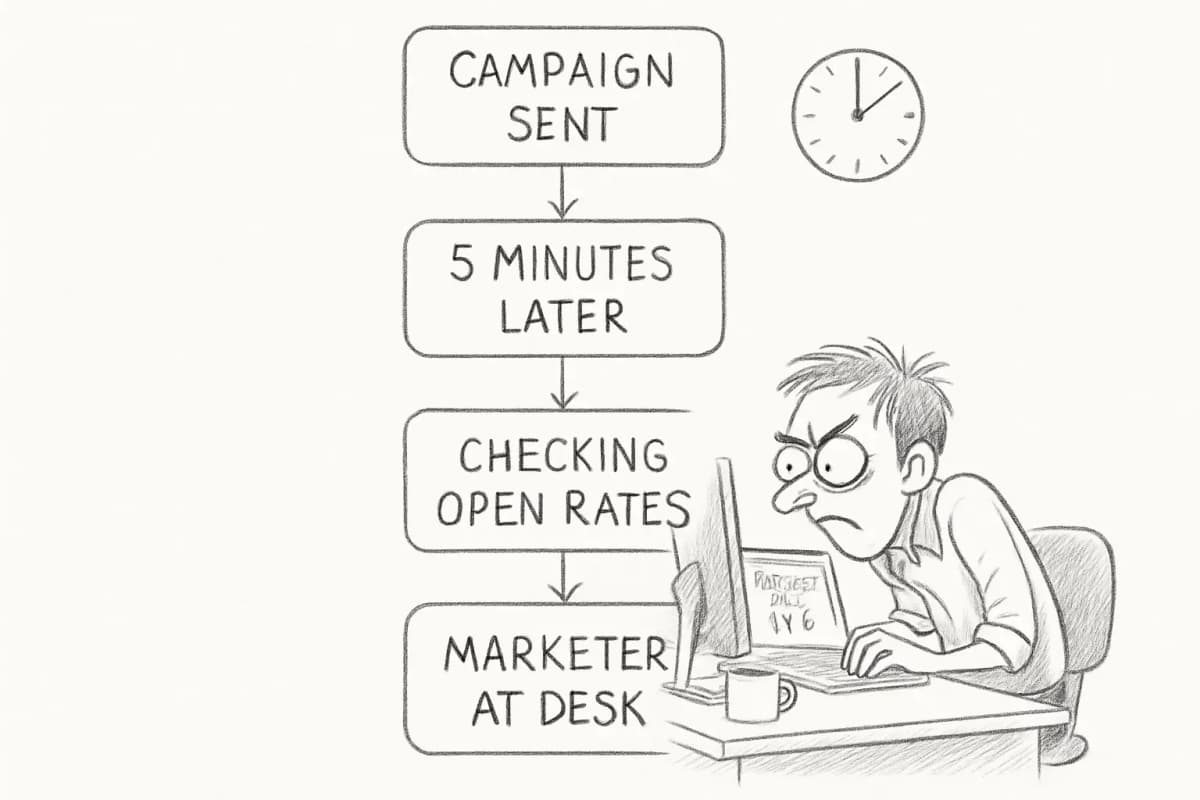
Every email marketer has had that moment: you craft what feels like a perfect campaign, hit send, and watch it vanish into the inbox abyss. That shared frustration, and the dark humor it produces, is exactly why the email marketing meme has become its own genre of internet culture. But beyond the laughs, there is a real strategic case for understanding why marketers build entire communities around meme-based humor, and how the smartest teams are putting it to work inside actual campaigns.
Key Takeaways
Memes generate roughly 10 times more reach and 60% higher organic engagement compared to regular marketing visuals.
Over 60% of people say they would be more likely to buy from a company that uses memes in its marketing.
Email marketing memes serve a dual purpose: they build community among marketers who share the same pain points, and they function as a content format inside campaigns to boost engagement.
It is best practice to limit yourself to one meme or GIF per email; otherwise things can get overwhelming quickly for readers not used to seeing this content in their inboxes.
Meme relevance has a short shelf life. The average lifespan of a modern meme has decreased from nearly two years in 2008 to just over four months in 2023.
Why the Email Marketing Meme Exists in the First Place
Email marketers live in a world of vanishing open rates, mysterious spam filters, subject line second-guessing, and the ever-present dread of sending a campaign with a broken link to 50,000 subscribers. That shared experience creates fertile ground for humor.
If you have ever realized too late that a broken link went out to thousands of subscribers, celebrated a killer subject line, or puzzled over metrics after an iOS update, you are not alone. These scenarios are part of the shared journey of every email marketer. Memes capture these moments perfectly, turning stress and triumph into humor that instantly connects people who have been through the same thing.
Platforms like LinkedIn and Twitter have become hotspots for sharing industry memes. A single post can spark hundreds of comments, with professionals trading stories, insights, and even job leads. Humor breaks down barriers, making it easier to start genuine conversations with others in the field.
Every email marketer has had that moment: you craft what feels like a perfect campaign, hit send, and watch it vanish into the inbox abyss. That shared frustration, and the dark humor it produces, is exactly why the email marketing meme has become its own genre of internet culture. But beyond the laughs, there is a real strategic case for understanding why marketers build entire communities around meme-based humor, and how the smartest teams are putting it to work inside actual campaigns.
Key Takeaways
Memes generate roughly 10 times more reach and 60% higher organic engagement compared to regular marketing visuals.
Over 60% of people say they would be more likely to buy from a company that uses memes in its marketing.
Email marketing memes serve a dual purpose: they build community among marketers who share the same pain points, and they function as a content format inside campaigns to boost engagement.
It is best practice to limit yourself to one meme or GIF per email; otherwise things can get overwhelming quickly for readers not used to seeing this content in their inboxes.
Meme relevance has a short shelf life. The average lifespan of a modern meme has decreased from nearly two years in 2008 to just over four months in 2023.
Why the Email Marketing Meme Exists in the First Place
Email marketers live in a world of vanishing open rates, mysterious spam filters, subject line second-guessing, and the ever-present dread of sending a campaign with a broken link to 50,000 subscribers. That shared experience creates fertile ground for humor.
If you have ever realized too late that a broken link went out to thousands of subscribers, celebrated a killer subject line, or puzzled over metrics after an iOS update, you are not alone. These scenarios are part of the shared journey of every email marketer. Memes capture these moments perfectly, turning stress and triumph into humor that instantly connects people who have been through the same thing.
Platforms like LinkedIn and Twitter have become hotspots for sharing industry memes. A single post can spark hundreds of comments, with professionals trading stories, insights, and even job leads. Humor breaks down barriers, making it easier to start genuine conversations with others in the field.
This is the first function of the email marketing meme: it is social glue for a profession that can be isolating.
The Data Behind Memes and Marketing
Treating meme humor as a "nice to have" misses the point. The engagement numbers are real.
According to a study conducted by NYU, memes have about ten times more reach with 60% organic engagement compared to regular marketing graphics. That is not a marginal advantage. Meme campaigns can deliver roughly 19% click-through rates, compared to about 6% for average marketing campaigns.
Research published in Psychology and Marketing adds academic weight to these numbers. The research underlines the potential of viral memes in marketing communications as they enhance brand recall and brand engagement. The study found that viral memes are topical and highly relatable and are thus well received by the target groups.
For context, the average email open rate in 2025 was 43.46% and the average email click rate was 2.09%. Anything that meaningfully pushes click rates higher is worth understanding.
80% of respondents believe brands using memes appear more relatable. In a channel where trust and familiarity drive conversions, that perception matters.
How Brands Actually Use Memes in Email Campaigns
Memes inside email are not just a novelty. They serve specific tactical roles when deployed correctly.
New product launches
New product announcements are perfect for injecting memes. They grab attention for your launch and convey excitement. The format creates an emotional hook before the subscriber reads a single line of copy.
Building brand personality
Memes can help make your emails more memorable, shareable, and clickable than traditional text-only emails. Using memes allows you to show off your brand personality, something that is increasingly important when trying to stand out among other emails in someone's inbox.
Explaining technical concepts
Sometimes a meme explains things better than a guide. Whether it is list segmentation, subject line testing, or GDPR compliance, humor makes technical concepts easier to understand and much harder to forget.
Real brands have made this work. Semrush used topical humor in a meme campaign that incorporated popular meme formats and culturally relevant references. They delivered designs that felt both recognizable and original, which helped them connect authentically with their audience. The campaign was designed for digital marketers, SEO specialists, and content creators, all of whom enjoy industry-related humor.
Similarly, Litmus's meme showcases the hurdles in email marketing. It serves as a meme advertisement, suggesting that the right tools or approach can help marketers avoid common pitfalls. Through this, Litmus connects with the challenges of its audience and positions itself as a potential solution.
The Psychology That Makes Meme Humor Work
Humor is not random. It follows predictable psychological patterns.
This is the first function of the email marketing meme: it is social glue for a profession that can be isolating.
The Data Behind Memes and Marketing
Treating meme humor as a "nice to have" misses the point. The engagement numbers are real.
According to a study conducted by NYU, memes have about ten times more reach with 60% organic engagement compared to regular marketing graphics. That is not a marginal advantage. Meme campaigns can deliver roughly 19% click-through rates, compared to about 6% for average marketing campaigns.
Research published in Psychology and Marketing adds academic weight to these numbers. The research underlines the potential of viral memes in marketing communications as they enhance brand recall and brand engagement. The study found that viral memes are topical and highly relatable and are thus well received by the target groups.
For context, the average email open rate in 2025 was 43.46% and the average email click rate was 2.09%. Anything that meaningfully pushes click rates higher is worth understanding.
80% of respondents believe brands using memes appear more relatable. In a channel where trust and familiarity drive conversions, that perception matters.
How Brands Actually Use Memes in Email Campaigns
Memes inside email are not just a novelty. They serve specific tactical roles when deployed correctly.
New product launches
New product announcements are perfect for injecting memes. They grab attention for your launch and convey excitement. The format creates an emotional hook before the subscriber reads a single line of copy.
Building brand personality
Memes can help make your emails more memorable, shareable, and clickable than traditional text-only emails. Using memes allows you to show off your brand personality, something that is increasingly important when trying to stand out among other emails in someone's inbox.
Explaining technical concepts
Sometimes a meme explains things better than a guide. Whether it is list segmentation, subject line testing, or GDPR compliance, humor makes technical concepts easier to understand and much harder to forget.
Real brands have made this work. Semrush used topical humor in a meme campaign that incorporated popular meme formats and culturally relevant references. They delivered designs that felt both recognizable and original, which helped them connect authentically with their audience. The campaign was designed for digital marketers, SEO specialists, and content creators, all of whom enjoy industry-related humor.
Similarly, Litmus's meme showcases the hurdles in email marketing. It serves as a meme advertisement, suggesting that the right tools or approach can help marketers avoid common pitfalls. Through this, Litmus connects with the challenges of its audience and positions itself as a potential solution.
The Psychology That Makes Meme Humor Work
Humor is not random. It follows predictable psychological patterns.
Popular memes often incorporate humor and cultural relevance to establish emotional connections with their target audience. People get to see their own thoughts or experiences reflected in a funny way, which triggers positive emotions and serves as a form of social currency.
One key factor is in-group identification. Memes often use shared language and visuals, creating a sense of belonging among those who understand them. This strengthens community bonds and fosters connection.
Rather than pushing overt marketing messages, effective memes create an enjoyable, "in-on-the-joke" experience that audiences are more likely to share with others. Today's consumers have developed ad fatigue and banner blindness and are more likely to scroll past traditional promotional content. Marketing memes, on the other hand, are inherently engaging because they are visually compelling and easy to consume.
This matters especially for email, where the average person receives well over 100 emails a day, and standard marketing copy, while polished and professional, can often blend together. Memes stand out because they are instantly recognizable, quick to process, and naturally shareable. Instead of another block of text, a meme delivers humor and relatability in seconds, sparking an emotional response that traditional copy rarely achieves.
Best Practices for Using Memes in Email Marketing
The difference between a meme that builds brand equity and one that damages it usually comes down to execution.
Match the meme to your audience. Millennials might respond well to memes that play on nostalgia or common "adulting" struggles. B2B audiences might appreciate industry-specific jokes that highlight your brand's expertise. The key is to align your meme strategy with your target audience's interests, pain points, and sense of humor.
Keep it relevant to the email goal. Inserting a meme or animated GIF in email messages can make your content stand out, but remember: these features should supplement the valuable content, not distract from it. Include them when dynamic visuals can enhance the overall message.
Limit meme volume. One per email is the consensus. Including too many memes or animated GIFs in email can make it difficult for readers to find the useful content, as excessive visuals are distracting. It is usually best to limit yourself to one GIF or meme per email.
Maintain image quality. Ensure you use high-quality images or videos. Blurry or pixelated visuals will harm your brand.
Stay brand-safe. Ensure the meme is brand-safe. Avoid anything controversial, political, inappropriate, or NSFW. You do not want to alienate subscribers or damage your reputation.
Watch the timing. Timing presents the biggest challenge because memes have extremely short lifespans, and brands that use outdated or forced memes risk looking out of touch. A meme that was hilarious yesterday can become cringe-worthy overnight.
Popular memes often incorporate humor and cultural relevance to establish emotional connections with their target audience. People get to see their own thoughts or experiences reflected in a funny way, which triggers positive emotions and serves as a form of social currency.
One key factor is in-group identification. Memes often use shared language and visuals, creating a sense of belonging among those who understand them. This strengthens community bonds and fosters connection.
Rather than pushing overt marketing messages, effective memes create an enjoyable, "in-on-the-joke" experience that audiences are more likely to share with others. Today's consumers have developed ad fatigue and banner blindness and are more likely to scroll past traditional promotional content. Marketing memes, on the other hand, are inherently engaging because they are visually compelling and easy to consume.
This matters especially for email, where the average person receives well over 100 emails a day, and standard marketing copy, while polished and professional, can often blend together. Memes stand out because they are instantly recognizable, quick to process, and naturally shareable. Instead of another block of text, a meme delivers humor and relatability in seconds, sparking an emotional response that traditional copy rarely achieves.
Best Practices for Using Memes in Email Marketing
The difference between a meme that builds brand equity and one that damages it usually comes down to execution.
Match the meme to your audience. Millennials might respond well to memes that play on nostalgia or common "adulting" struggles. B2B audiences might appreciate industry-specific jokes that highlight your brand's expertise. The key is to align your meme strategy with your target audience's interests, pain points, and sense of humor.
Keep it relevant to the email goal. Inserting a meme or animated GIF in email messages can make your content stand out, but remember: these features should supplement the valuable content, not distract from it. Include them when dynamic visuals can enhance the overall message.
Limit meme volume. One per email is the consensus. Including too many memes or animated GIFs in email can make it difficult for readers to find the useful content, as excessive visuals are distracting. It is usually best to limit yourself to one GIF or meme per email.
Maintain image quality. Ensure you use high-quality images or videos. Blurry or pixelated visuals will harm your brand.
Stay brand-safe. Ensure the meme is brand-safe. Avoid anything controversial, political, inappropriate, or NSFW. You do not want to alienate subscribers or damage your reputation.
Watch the timing. Timing presents the biggest challenge because memes have extremely short lifespans, and brands that use outdated or forced memes risk looking out of touch. A meme that was hilarious yesterday can become cringe-worthy overnight.
For a deeper look at how personalization and audience understanding intersect with content decisions, see our guide to email personalization techniques that boost conversions.
The Community Value: Why Marketers Share Email Memes
There is something worth acknowledging here beyond campaign tactics. The email marketing meme culture is genuinely useful for the profession.
Memes fuel experimentation, pushing marketers to explore fresh ideas in their campaigns. At the same time, they make the industry less intimidating for newcomers. By laughing at common mistakes together, marketers foster a culture that is both inclusive and innovative.
The rise of email marketing memes highlights a larger movement toward real, people-first marketing. It is not about chasing internet trends; it is about understanding that authenticity and relatability often resonate more deeply than flawless corporate messaging.
This mirrors a broader trend in brand communication. HubSpot data shows that 76% of marketers say authentic content performs better than polished material. Meme culture is, at its core, a form of radical authenticity.
Meme humor carries real risks if handled carelessly.
Forced relevance. Successful meme marketing requires more than just posting funny images with your logo slapped on them. It demands a deep understanding of your audience, current cultural conversations, and your brand's voice and values.
Brand mismatch. Brand mismatch poses a serious threat when memes clash with a company's voice or audience, often backfiring.
Outdated references. The key to successful meme-driven campaigns is to find a balance between the humor or cultural references and your brand's message. Effective meme marketing aims for subtlety, trusting the audience to make the connection on their own.
For a deeper look at how personalization and audience understanding intersect with content decisions, see our guide to email personalization techniques that boost conversions.
The Community Value: Why Marketers Share Email Memes
There is something worth acknowledging here beyond campaign tactics. The email marketing meme culture is genuinely useful for the profession.
Memes fuel experimentation, pushing marketers to explore fresh ideas in their campaigns. At the same time, they make the industry less intimidating for newcomers. By laughing at common mistakes together, marketers foster a culture that is both inclusive and innovative.
The rise of email marketing memes highlights a larger movement toward real, people-first marketing. It is not about chasing internet trends; it is about understanding that authenticity and relatability often resonate more deeply than flawless corporate messaging.
This mirrors a broader trend in brand communication. HubSpot data shows that 76% of marketers say authentic content performs better than polished material. Meme culture is, at its core, a form of radical authenticity.
Meme humor carries real risks if handled carelessly.
Forced relevance. Successful meme marketing requires more than just posting funny images with your logo slapped on them. It demands a deep understanding of your audience, current cultural conversations, and your brand's voice and values.
Brand mismatch. Brand mismatch poses a serious threat when memes clash with a company's voice or audience, often backfiring.
Outdated references. The key to successful meme-driven campaigns is to find a balance between the humor or cultural references and your brand's message. Effective meme marketing aims for subtlety, trusting the audience to make the connection on their own.
Deliverability impact. A meme embedded as a heavy image file can slow load times and trigger spam filters. Always optimize image size, and make sure authentication protocols like DKIM, DMARC, and SPF are in place before experimenting with image-heavy formats. See our email marketing analytics best practices guide for how to track whether visual content is helping or hurting your metrics.
Frequently Asked Questions
What is an email marketing meme?
An email marketing meme refers to both the genre of humor that email marketers share within professional communities (jokes about open rates, broken links, spam folders, and A/B testing anxiety) and the strategic use of internet meme formats inside actual email campaigns. Both uses tap into the shared experiences and cultural references that make meme content instantly recognizable.
Do memes actually improve email engagement rates?
The data suggests yes, when used correctly. Emails with images get about 4.84% CTR compared to just 1.6% for text-only messages. Memes, as a highly engaging image format, contribute to this effect. The key is choosing memes that are relevant to your audience and aligned with your campaign goal, and keeping to one per email.
Are memes appropriate for B2B email marketing?
Yes, with some adjustments. LinkedIn has developed its own professional meme culture. Work-related humor and industry-specific jokes can perform exceptionally well when targeted at the right professional audiences. The format needs to match the audience's sense of humor and the brand's tone, but B2B email absolutely has room for well-placed humor.
How do I know if a meme is too old to use in an email?
The average lifespan of a modern meme has decreased dramatically from nearly two years in 2008 to just over four months in 2023. A practical test: if a meme format has already been used by brands in industries unrelated to yours, it may have already peaked. Check current trending formats on platforms like Reddit, X (formerly Twitter), and LinkedIn before selecting a template. When in doubt, opt for a timeless meme format over a hyper-trending one.
No comments yet. Be the first!
Deliverability impact. A meme embedded as a heavy image file can slow load times and trigger spam filters. Always optimize image size, and make sure authentication protocols like DKIM, DMARC, and SPF are in place before experimenting with image-heavy formats. See our email marketing analytics best practices guide for how to track whether visual content is helping or hurting your metrics.
Frequently Asked Questions
What is an email marketing meme?
An email marketing meme refers to both the genre of humor that email marketers share within professional communities (jokes about open rates, broken links, spam folders, and A/B testing anxiety) and the strategic use of internet meme formats inside actual email campaigns. Both uses tap into the shared experiences and cultural references that make meme content instantly recognizable.
Do memes actually improve email engagement rates?
The data suggests yes, when used correctly. Emails with images get about 4.84% CTR compared to just 1.6% for text-only messages. Memes, as a highly engaging image format, contribute to this effect. The key is choosing memes that are relevant to your audience and aligned with your campaign goal, and keeping to one per email.
Are memes appropriate for B2B email marketing?
Yes, with some adjustments. LinkedIn has developed its own professional meme culture. Work-related humor and industry-specific jokes can perform exceptionally well when targeted at the right professional audiences. The format needs to match the audience's sense of humor and the brand's tone, but B2B email absolutely has room for well-placed humor.
How do I know if a meme is too old to use in an email?
The average lifespan of a modern meme has decreased dramatically from nearly two years in 2008 to just over four months in 2023. A practical test: if a meme format has already been used by brands in industries unrelated to yours, it may have already peaked. Check current trending formats on platforms like Reddit, X (formerly Twitter), and LinkedIn before selecting a template. When in doubt, opt for a timeless meme format over a hyper-trending one.