
HomeBlogIndustry-Specific Email MarketingEmail Marketing Tools for Home Automation and Media
Industry-Specific Email Marketing

Email Marketing Tools for Home Automation and Media

Discover email marketing tools designed for home automation and media companies. Increase engagement, segment customers, and drive sales with proven strategies.

P

Priya Kapoor

July 17, 2026

HomeBlogIndustry-Specific Email MarketingEmail Marketing Tools for Home Automation and Media
Industry-Specific Email Marketing

Email Marketing Tools for Home Automation and Media

Discover email marketing tools designed for home automation and media companies. Increase engagement, segment customers, and drive sales with proven strategies.

P

Priya Kapoor

July 17, 2026

15 min read
15 min read
Share:
Share:
#home automation#Email Marketing Tools#media marketing#Customer Engagement
Illustration for email marketing tool for home automation & media

Stay in the loop

Get the latest posts delivered straight to your inbox. No spam, unsubscribe anytime.

The home automation and media sectors sit inside one of the fastest-growing technology markets on the planet, yet many brands in these spaces still treat email as an afterthought. That is a costly mistake. Email marketing delivers an average return of $36 for every dollar spent, and for companies selling smart home products and media subscriptions, the economics are even stronger. The hardware and home improvement sector generates the highest top-10% revenues of any category, reaching $39.31 per recipient from email automations. Choosing the right email marketing tool for home automation and media determines whether your campaigns become a reliable revenue channel or just another line item on the budget.

This guide covers what to look for, which platforms deliver results in these verticals, and how to build an email strategy that works from acquisition through post-purchase loyalty.


Key Takeaways

  • The global smart home market is projected to reach $138.9 billion by 2026, growing at a CAGR of 10.4%, making email marketing a high-leverage channel for brands operating in this space.
  • Automated emails generate 320% more revenue than non-automated emails. Despite making up just 2% of email sends, automated messages drove 37% of all email-generated sales in 2024.
  • Sophisticated segmentation allows for personalized communications based on specific interests, products owned, or stages in the buying journey, which is critical for the technically complex home automation category.
  • Any sender dispatching 5,000 or more messages per day must now have SPF, DKIM, and DMARC configured, implement one-click unsubscribe, and keep spam complaint rates below 0.3%.
  • Platform choice should match your business model: automation-heavy B2B teams, ecommerce device sellers, and media publishers each have different requirements.

Why Home Automation and Media Brands Need a Specialized Approach

Home automation buyers are not impulsive purchasers. The technical nature of home automation products makes educational content particularly valuable for overcoming knowledge barriers to adoption. A smart thermostat sale might involve weeks of research across multiple touchpoints. A media subscription might hinge on whether the right trial offer lands in the inbox at the right moment.

Stay in the loop

Get the latest posts delivered straight to your inbox. No spam, unsubscribe anytime.

The home automation and media sectors sit inside one of the fastest-growing technology markets on the planet, yet many brands in these spaces still treat email as an afterthought. That is a costly mistake. Email marketing delivers an average return of $36 for every dollar spent, and for companies selling smart home products and media subscriptions, the economics are even stronger. The hardware and home improvement sector generates the highest top-10% revenues of any category, reaching $39.31 per recipient from email automations. Choosing the right email marketing tool for home automation and media determines whether your campaigns become a reliable revenue channel or just another line item on the budget.

This guide covers what to look for, which platforms deliver results in these verticals, and how to build an email strategy that works from acquisition through post-purchase loyalty.


Key Takeaways

  • The global smart home market is projected to reach $138.9 billion by 2026, growing at a CAGR of 10.4%, making email marketing a high-leverage channel for brands operating in this space.
  • Automated emails generate 320% more revenue than non-automated emails. Despite making up just 2% of email sends, automated messages drove 37% of all email-generated sales in 2024.
  • Sophisticated segmentation allows for personalized communications based on specific interests, products owned, or stages in the buying journey, which is critical for the technically complex home automation category.
  • Any sender dispatching 5,000 or more messages per day must now have SPF, DKIM, and DMARC configured, implement one-click unsubscribe, and keep spam complaint rates below 0.3%.
  • Platform choice should match your business model: automation-heavy B2B teams, ecommerce device sellers, and media publishers each have different requirements.

Why Home Automation and Media Brands Need a Specialized Approach

Home automation buyers are not impulsive purchasers. The technical nature of home automation products makes educational content particularly valuable for overcoming knowledge barriers to adoption. A smart thermostat sale might involve weeks of research across multiple touchpoints. A media subscription might hinge on whether the right trial offer lands in the inbox at the right moment.

Today's smart home consumers fall into several distinct categories. Tech enthusiasts seek cutting-edge innovations and are willing to be early adopters. Convenience-seekers value time-saving and efficiency above all. Security-minded consumers focus primarily on protection features. Energy-conscious buyers prioritize sustainability and cost savings.

Each of these buyer types needs a different message, a different cadence, and a different call to action. A single broadcast email cannot serve all of them. The platforms that win in this sector are those that make granular list segmentation and behavioral automation accessible without requiring a team of developers.

For deeper context on audience segmentation techniques, see our guide on email list segmentation strategies that boost ROI by 760%.


The Core Features to Evaluate in Any Email Marketing Tool

Before comparing specific platforms, it helps to define what "good" looks like for a home automation or media business. The requirements are more demanding than those of a simple newsletter operation.

Behavioral automation: Triggered email sequences can provide timely information when customers interact with your website or products. Post-purchase sequences can help customers maximize value from their smart home devices while encouraging additional complementary purchases.

Advanced segmentation: The most effective email marketing campaigns include the strategies of segmentation (78%), message personalization (72%), and email automation (71%). Any tool that does not offer all three is not fit for purpose in a competitive sector.

CRM integration: Home automation companies often manage long sales cycles with multiple decision-makers. Your CRM should feed behavioral data into your email platform, which fires off personalized campaigns. Those, in turn, update lead scores in real time, all without human intervention.

Deliverability infrastructure: Fully authenticated senders (SPF + DKIM + DMARC with enforcement) are about 2.7 times more likely to reach the inbox than unauthenticated senders. The platform you choose must make authentication setup straightforward.

Analytics depth: Companies with strong analytics capabilities are 2.2 times more likely to identify high-value customers and 5.7 times more likely to retain them.


Top Email Marketing Tools for Home Automation and Media

ActiveCampaign: Best for Automation-Heavy Teams

ActiveCampaign is the best email marketing tool for automation. Its main goal is to help you send fewer emails with better results. It clearly focuses on marketing automation and highly targeted messages to make marketing efforts fruitful.

With 900+ workflow templates, it is hard to think of a sales or marketing process you cannot automate. Triggers and conditions are fully customizable, giving you complete control over what workflows include and how they function.

Today's smart home consumers fall into several distinct categories. Tech enthusiasts seek cutting-edge innovations and are willing to be early adopters. Convenience-seekers value time-saving and efficiency above all. Security-minded consumers focus primarily on protection features. Energy-conscious buyers prioritize sustainability and cost savings.

Each of these buyer types needs a different message, a different cadence, and a different call to action. A single broadcast email cannot serve all of them. The platforms that win in this sector are those that make granular list segmentation and behavioral automation accessible without requiring a team of developers.

For deeper context on audience segmentation techniques, see our guide on email list segmentation strategies that boost ROI by 760%.


The Core Features to Evaluate in Any Email Marketing Tool

Before comparing specific platforms, it helps to define what "good" looks like for a home automation or media business. The requirements are more demanding than those of a simple newsletter operation.

Behavioral automation: Triggered email sequences can provide timely information when customers interact with your website or products. Post-purchase sequences can help customers maximize value from their smart home devices while encouraging additional complementary purchases.

Advanced segmentation: The most effective email marketing campaigns include the strategies of segmentation (78%), message personalization (72%), and email automation (71%). Any tool that does not offer all three is not fit for purpose in a competitive sector.

CRM integration: Home automation companies often manage long sales cycles with multiple decision-makers. Your CRM should feed behavioral data into your email platform, which fires off personalized campaigns. Those, in turn, update lead scores in real time, all without human intervention.

Deliverability infrastructure: Fully authenticated senders (SPF + DKIM + DMARC with enforcement) are about 2.7 times more likely to reach the inbox than unauthenticated senders. The platform you choose must make authentication setup straightforward.

Analytics depth: Companies with strong analytics capabilities are 2.2 times more likely to identify high-value customers and 5.7 times more likely to retain them.


Top Email Marketing Tools for Home Automation and Media

ActiveCampaign: Best for Automation-Heavy Teams

ActiveCampaign is the best email marketing tool for automation. Its main goal is to help you send fewer emails with better results. It clearly focuses on marketing automation and highly targeted messages to make marketing efforts fruitful.

With 900+ workflow templates, it is hard to think of a sales or marketing process you cannot automate. Triggers and conditions are fully customizable, giving you complete control over what workflows include and how they function.

For home automation companies managing complex buyer journeys, this matters enormously. A workflow can trigger a product education sequence when someone downloads an installation guide, then branch into a separate path for buyers who click on a compatibility question versus those who click on energy savings features.

Pricing starts at $15 per month for the Starter plan, with Plus at $49, Pro at $79, and Enterprise at $145 per month.

Best for: Mid-market home automation brands, B2B system integrators, and media subscription services with complex lifecycle workflows.


HubSpot: Best for CRM-First Operations

HubSpot is best for CRM-first teams. It combines automation, email, and pipeline in one platform but carries the highest cost at scale.

HubSpot is a powerful all-in-one CRM platform. You can integrate email marketing with sales, customer service, and content management. Its adaptable tools support everything from lead nurturing to sales pipelines.

For media companies managing ad partnerships and subscription sales alongside editorial newsletters, having marketing and sales data in a single system reduces reporting friction and speeds up decision-making.

Best for: Enterprise home automation companies with dedicated sales teams, and media businesses that need email and revenue attribution in one place.


Klaviyo: Best for Device Ecommerce Brands

Klaviyo is excellent for ecommerce brands needing granular, SKU-level personalization and predictive analytics. If your business sells smart home hardware directly to consumers, Klaviyo's native integrations with Shopify, WooCommerce, and BigCommerce make it straightforward to trigger emails based on product-level behavior.

Klaviyo's data model is built around ecommerce events: purchase history, predictive lifetime value, churn risk, and next-purchase date, which aligns well with a product catalog spanning smart locks, cameras, lighting systems, and media streaming devices.

Klaviyo has a free version with 250 contacts. Email-only plans start at $45 per month for 1,500 contacts and 15,000 emails.

Best for: Direct-to-consumer smart home hardware brands and streaming media retailers.


Brevo: Best for High-Volume, Multi-Channel Senders

Brevo is the most cost-effective option for high-volume senders, with native email, SMS, and WhatsApp support. For media companies that want to reach subscribers across channels without managing separate point solutions, Brevo consolidates everything under one pricing model.

Brevo was awarded the Best Email Marketing Tool overall for 2026 by EmailToolTester, reflecting its combination of deliverability performance and value. The tradeoff is that automation logic is less granular than ActiveCampaign for complex multi-branch workflows.

Best for: Media publishers, streaming services, and home automation retailers with large lists who need multi-channel reach at a competitive price.


MailerLite: Best for Smaller Teams Getting Started

MailerLite is an affordable and user-friendly email marketing platform. It keeps things simple and focuses on email marketing functionality, making it ideal for a no-fuss way to build and automate email campaigns.

The free plan includes 1,000 subscribers and 12,000 emails per month. Paid plans start at just $9 per month, which includes unlimited emails and three account users.

For home automation companies managing complex buyer journeys, this matters enormously. A workflow can trigger a product education sequence when someone downloads an installation guide, then branch into a separate path for buyers who click on a compatibility question versus those who click on energy savings features.

Pricing starts at $15 per month for the Starter plan, with Plus at $49, Pro at $79, and Enterprise at $145 per month.

Best for: Mid-market home automation brands, B2B system integrators, and media subscription services with complex lifecycle workflows.


HubSpot: Best for CRM-First Operations

HubSpot is best for CRM-first teams. It combines automation, email, and pipeline in one platform but carries the highest cost at scale.

HubSpot is a powerful all-in-one CRM platform. You can integrate email marketing with sales, customer service, and content management. Its adaptable tools support everything from lead nurturing to sales pipelines.

For media companies managing ad partnerships and subscription sales alongside editorial newsletters, having marketing and sales data in a single system reduces reporting friction and speeds up decision-making.

Best for: Enterprise home automation companies with dedicated sales teams, and media businesses that need email and revenue attribution in one place.


Klaviyo: Best for Device Ecommerce Brands

Klaviyo is excellent for ecommerce brands needing granular, SKU-level personalization and predictive analytics. If your business sells smart home hardware directly to consumers, Klaviyo's native integrations with Shopify, WooCommerce, and BigCommerce make it straightforward to trigger emails based on product-level behavior.

Klaviyo's data model is built around ecommerce events: purchase history, predictive lifetime value, churn risk, and next-purchase date, which aligns well with a product catalog spanning smart locks, cameras, lighting systems, and media streaming devices.

Klaviyo has a free version with 250 contacts. Email-only plans start at $45 per month for 1,500 contacts and 15,000 emails.

Best for: Direct-to-consumer smart home hardware brands and streaming media retailers.


Brevo: Best for High-Volume, Multi-Channel Senders

Brevo is the most cost-effective option for high-volume senders, with native email, SMS, and WhatsApp support. For media companies that want to reach subscribers across channels without managing separate point solutions, Brevo consolidates everything under one pricing model.

Brevo was awarded the Best Email Marketing Tool overall for 2026 by EmailToolTester, reflecting its combination of deliverability performance and value. The tradeoff is that automation logic is less granular than ActiveCampaign for complex multi-branch workflows.

Best for: Media publishers, streaming services, and home automation retailers with large lists who need multi-channel reach at a competitive price.


MailerLite: Best for Smaller Teams Getting Started

MailerLite is an affordable and user-friendly email marketing platform. It keeps things simple and focuses on email marketing functionality, making it ideal for a no-fuss way to build and automate email campaigns.

The free plan includes 1,000 subscribers and 12,000 emails per month. Paid plans start at just $9 per month, which includes unlimited emails and three account users.

For a home automation installer or a local media outlet just beginning to build an email list, MailerLite delivers the essentials without an intimidating learning curve or unexpected pricing jumps.


Segmentation and Personalization Strategies That Work

The home automation and media sectors both benefit from one email strategy above almost all others: behavioral segmentation. Generic campaigns perform poorly when your audience includes first-time smart home buyers, multi-system integrators, and renewals from existing subscribers simultaneously.

What sets hyper-personalization apart from traditional segmentation is that AI analyzes individual behavior patterns in real time and makes dynamic adjustments to content, timing, and offers based on the preferences of each recipient. These emails change their content based on browsing history, purchase behavior, engagement patterns, location, device usage, and even when someone is most likely to open their inbox.

Practical applications for home automation brands include:

  • Product category triggers: Send a compatibility guide to anyone who views a smart lock product page but does not convert within 48 hours.
  • Post-install sequences: Post-purchase sequences can help customers maximize value from their smart home devices while encouraging additional complementary purchases.
  • Renewal risk flows: Flag subscribers showing declining engagement and deploy a win-back offer before their subscription lapses.
  • Segment by system type: Buyers of voice-controlled systems have different interests than those focused on security or energy management.

For specific techniques on personalizing campaigns at scale, read our guide on email personalization techniques that boost conversions 47%.


Deliverability: The Non-Negotiable Technical Foundation

Even the best campaign strategy fails if emails never reach the inbox. Deliverability is especially consequential in the home automation sector, where a single missed product launch email or missed renewal reminder can cost hundreds of dollars in customer lifetime value.

Gmail and Yahoo began enforcing bulk sender requirements in February 2024. Any sender dispatching 5,000 or more messages per day to personal accounts must have SPF, DKIM, and DMARC configured, implement one-click unsubscribe, and keep spam complaint rates below 0.3%.

From November 2025, Gmail moved to hard enforcement: non-compliant messages receive permanent 5xx rejections before reaching any mailbox. Microsoft followed in May 2025. Together, these three providers cover roughly 90% of consumer and business email users globally.

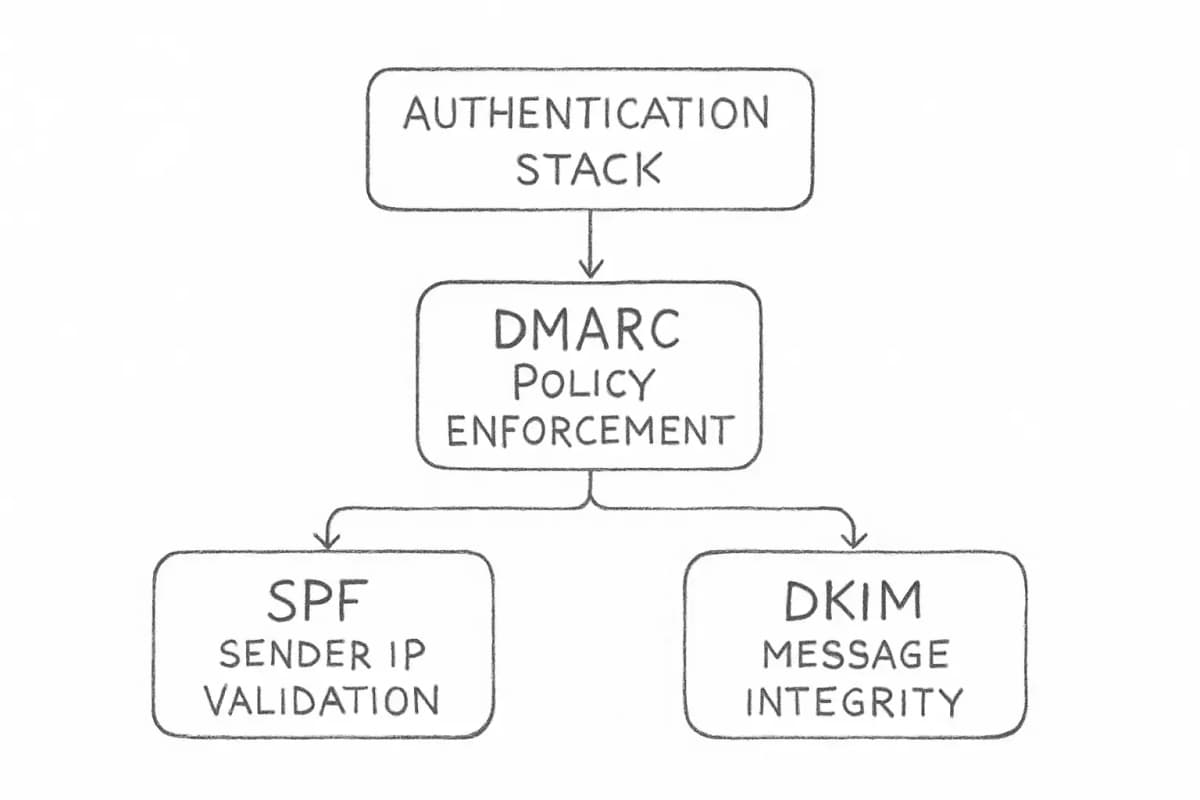
The three authentication protocols work together as a system:

  • SPF verifies that the sending server is authorized to send on behalf of your domain.
  • DKIM attaches a cryptographic signature so receiving servers can confirm the message was not altered.
  • DMARC uses SPF and DKIM to let you set rules for how email providers should handle messages that fail authentication.

For a home automation installer or a local media outlet just beginning to build an email list, MailerLite delivers the essentials without an intimidating learning curve or unexpected pricing jumps.


Segmentation and Personalization Strategies That Work

The home automation and media sectors both benefit from one email strategy above almost all others: behavioral segmentation. Generic campaigns perform poorly when your audience includes first-time smart home buyers, multi-system integrators, and renewals from existing subscribers simultaneously.

What sets hyper-personalization apart from traditional segmentation is that AI analyzes individual behavior patterns in real time and makes dynamic adjustments to content, timing, and offers based on the preferences of each recipient. These emails change their content based on browsing history, purchase behavior, engagement patterns, location, device usage, and even when someone is most likely to open their inbox.

Practical applications for home automation brands include:

  • Product category triggers: Send a compatibility guide to anyone who views a smart lock product page but does not convert within 48 hours.
  • Post-install sequences: Post-purchase sequences can help customers maximize value from their smart home devices while encouraging additional complementary purchases.
  • Renewal risk flows: Flag subscribers showing declining engagement and deploy a win-back offer before their subscription lapses.
  • Segment by system type: Buyers of voice-controlled systems have different interests than those focused on security or energy management.

For specific techniques on personalizing campaigns at scale, read our guide on email personalization techniques that boost conversions 47%.


Deliverability: The Non-Negotiable Technical Foundation

Even the best campaign strategy fails if emails never reach the inbox. Deliverability is especially consequential in the home automation sector, where a single missed product launch email or missed renewal reminder can cost hundreds of dollars in customer lifetime value.

Gmail and Yahoo began enforcing bulk sender requirements in February 2024. Any sender dispatching 5,000 or more messages per day to personal accounts must have SPF, DKIM, and DMARC configured, implement one-click unsubscribe, and keep spam complaint rates below 0.3%.

From November 2025, Gmail moved to hard enforcement: non-compliant messages receive permanent 5xx rejections before reaching any mailbox. Microsoft followed in May 2025. Together, these three providers cover roughly 90% of consumer and business email users globally.

The three authentication protocols work together as a system:

  • SPF verifies that the sending server is authorized to send on behalf of your domain.
  • DKIM attaches a cryptographic signature so receiving servers can confirm the message was not altered.
  • DMARC uses SPF and DKIM to let you set rules for how email providers should handle messages that fail authentication.

Deliverability is ongoing maintenance, not a one-time setup. Regular monitoring prevents small problems from becoming campaign-damaging crises. Email authentication stack diagram showing three interconnected components: SPF (Sender Policy Framework) at the left, DKIM (DomainKeys Identified Mail) in the center, and DMARC (Domain-based Message Authentication, Reporting, and Conformance) at the right. DMARC sits above and connects to both SPF and DKIM with arrows pointing downward, illustrating that DMARC uses SPF and DKIM results to enforce authentication policies. Include visual indicators showing how each layer validates different aspects of email authenticity (SPF validates sender IP, DKIM validates message integrity, DMARC sets enforcement rules). Use a clean, technical style with boxes or circles for each component, connecting lines with directional arrows, and subtle color coding to differentiate the three authentication methods.

Building an Automated Email Journey for Home Automation and Media

The highest-ROI email programs in these verticals are not built on occasional newsletters. They are built on automated journeys triggered by customer behavior.

Automated workflows generate 30 times higher returns compared to one-off email campaigns. For context, that makes a well-designed automation sequence worth far more than any individual broadcast.

A practical framework for home automation companies:

  1. Welcome sequence: Introduce the brand, confirm product registration, and set expectations for the relationship. See our welcome email sequence best practices for structure and timing guidance.
  2. Education drip: Send installation tips, compatibility guides, and how-to content over the first 30 days.
  3. Cross-sell trigger: After product setup completion, trigger a relevant accessory recommendation based on the device purchased.
  4. Seasonal reminders: For energy management products, schedule campaigns around heating and cooling season changes.
  5. Re-engagement campaign: Target subscribers who have not opened in 90 days with a low-friction incentive before removing them from active lists.

For media businesses, the structure shifts toward trial-to-paid conversion, content recommendation flows, and renewal sequences, but the principle is identical: automate the journey based on what the subscriber actually does, not just when you feel like sending.


Measuring What Matters: Key Metrics for These Verticals

Software and Technology verticals have an email ROI of approximately 3,600%. Media, Publishing, and Events have a below-average ROI of around 3,200%. Understanding your benchmark matters before you can improve on it.

Track these metrics consistently:

Deliverability is ongoing maintenance, not a one-time setup. Regular monitoring prevents small problems from becoming campaign-damaging crises. Email authentication stack diagram showing three interconnected components: SPF (Sender Policy Framework) at the left, DKIM (DomainKeys Identified Mail) in the center, and DMARC (Domain-based Message Authentication, Reporting, and Conformance) at the right. DMARC sits above and connects to both SPF and DKIM with arrows pointing downward, illustrating that DMARC uses SPF and DKIM results to enforce authentication policies. Include visual indicators showing how each layer validates different aspects of email authenticity (SPF validates sender IP, DKIM validates message integrity, DMARC sets enforcement rules). Use a clean, technical style with boxes or circles for each component, connecting lines with directional arrows, and subtle color coding to differentiate the three authentication methods.


Building an Automated Email Journey for Home Automation and Media

The highest-ROI email programs in these verticals are not built on occasional newsletters. They are built on automated journeys triggered by customer behavior.

Automated workflows generate 30 times higher returns compared to one-off email campaigns. For context, that makes a well-designed automation sequence worth far more than any individual broadcast.

A practical framework for home automation companies:

  1. Welcome sequence: Introduce the brand, confirm product registration, and set expectations for the relationship. See our welcome email sequence best practices for structure and timing guidance.
  2. Education drip: Send installation tips, compatibility guides, and how-to content over the first 30 days.
  3. Cross-sell trigger: After product setup completion, trigger a relevant accessory recommendation based on the device purchased.
  4. Seasonal reminders: For energy management products, schedule campaigns around heating and cooling season changes.
  5. Re-engagement campaign: Target subscribers who have not opened in 90 days with a low-friction incentive before removing them from active lists.

For media businesses, the structure shifts toward trial-to-paid conversion, content recommendation flows, and renewal sequences, but the principle is identical: automate the journey based on what the subscriber actually does, not just when you feel like sending.


Measuring What Matters: Key Metrics for These Verticals

Software and Technology verticals have an email ROI of approximately 3,600%. Media, Publishing, and Events have a below-average ROI of around 3,200%. Understanding your benchmark matters before you can improve on it.

Track these metrics consistently:

  • Click-to-open rate (CTOR): Measures content relevance independent of subject line performance.
  • Revenue per recipient (RPR): Hardware and home improvement generates an RPR of $0.14 per recipient, with top performers reaching $39.31 through automated sequences.
  • Spam complaint rate: Keep this below 0.1% for sustained deliverability. Above 0.3% and Gmail enforcement kicks in.
  • Automation conversion rate: Track separately from broadcast campaigns to understand the true value of behavioral triggers.
  • Unsubscribe rate by segment: High unsubscribe rates in a specific segment signal messaging misalignment, not just list quality issues.

For a comprehensive look at email measurement, our email marketing analytics best practices guide covers attribution models and KPI frameworks in depth.


Frequently Asked Questions

What email marketing tool works best for smart home hardware brands?

Klaviyo is excellent for ecommerce brands needing granular, SKU-level personalization and predictive analytics. For direct-to-consumer smart home hardware brands on Shopify or WooCommerce, Klaviyo's native integrations and product-level segmentation make it the strongest choice. Teams that also manage B2B or installer relationships may find ActiveCampaign's CRM capabilities more useful alongside the ecommerce features.

How important is email automation for home automation companies specifically?

Critical. Automated emails generate 320% more revenue than non-automated emails, and despite making up just 2% of email sends, automated messages drove 37% of all email-generated sales in 2024. Home automation products also have long consideration cycles and complex post-purchase onboarding needs, which makes automated sequences far more effective than one-off broadcast campaigns.

What are the deliverability requirements that home automation and media brands must meet in 2026?

Any sender dispatching 5,000 or more messages per day to personal accounts must have SPF, DKIM, and DMARC configured, implement one-click unsubscribe (RFC 8058), and keep spam complaint rates below 0.3%. Failure to comply results in permanent message rejection by Gmail and Microsoft, which together control the majority of consumer and business inboxes globally.

How should a media company segment its email list differently from a hardware brand?

Media companies should segment primarily by content consumption behavior: categories browsed, articles read, and content formats engaged. Hardware brands should segment by product category owned, installation status, and complementary product interest. Sophisticated segmentation allows for personalized communications based on specific interests, products owned, or stages in the buying journey, and both types of businesses benefit from behavioral triggers over calendar-based sending.


No comments yet. Be the first!

Leave a comment

Comments are reviewed before publishing.

  • Click-to-open rate (CTOR): Measures content relevance independent of subject line performance.
  • Revenue per recipient (RPR): Hardware and home improvement generates an RPR of $0.14 per recipient, with top performers reaching $39.31 through automated sequences.
  • Spam complaint rate: Keep this below 0.1% for sustained deliverability. Above 0.3% and Gmail enforcement kicks in.
  • Automation conversion rate: Track separately from broadcast campaigns to understand the true value of behavioral triggers.
  • Unsubscribe rate by segment: High unsubscribe rates in a specific segment signal messaging misalignment, not just list quality issues.

For a comprehensive look at email measurement, our email marketing analytics best practices guide covers attribution models and KPI frameworks in depth.


Frequently Asked Questions

What email marketing tool works best for smart home hardware brands?

Klaviyo is excellent for ecommerce brands needing granular, SKU-level personalization and predictive analytics. For direct-to-consumer smart home hardware brands on Shopify or WooCommerce, Klaviyo's native integrations and product-level segmentation make it the strongest choice. Teams that also manage B2B or installer relationships may find ActiveCampaign's CRM capabilities more useful alongside the ecommerce features.

How important is email automation for home automation companies specifically?

Critical. Automated emails generate 320% more revenue than non-automated emails, and despite making up just 2% of email sends, automated messages drove 37% of all email-generated sales in 2024. Home automation products also have long consideration cycles and complex post-purchase onboarding needs, which makes automated sequences far more effective than one-off broadcast campaigns.

What are the deliverability requirements that home automation and media brands must meet in 2026?

Any sender dispatching 5,000 or more messages per day to personal accounts must have SPF, DKIM, and DMARC configured, implement one-click unsubscribe (RFC 8058), and keep spam complaint rates below 0.3%. Failure to comply results in permanent message rejection by Gmail and Microsoft, which together control the majority of consumer and business inboxes globally.

How should a media company segment its email list differently from a hardware brand?

Media companies should segment primarily by content consumption behavior: categories browsed, articles read, and content formats engaged. Hardware brands should segment by product category owned, installation status, and complementary product interest. Sophisticated segmentation allows for personalized communications based on specific interests, products owned, or stages in the buying journey, and both types of businesses benefit from behavioral triggers over calendar-based sending.

No comments yet. Be the first!

Leave a comment

Comments are reviewed before publishing.

More from

Related posts

Illustration for examples of email marketing for restaurants
Industry-Specific Email MarketingJul 11, 2026 13 min

Email Marketing Examples for Restaurants: 7 Proven Strategies

See 7 real email marketing examples restaurants use to boost reservations and repeat orders. Learn what works and how to apply it to your restaurant.

More from

Related posts

Illustration for examples of email marketing for restaurants
Industry-Specific Email MarketingJul 11, 2026 13 min

Email Marketing Examples for Restaurants: 7 Proven Strategies

See 7 real email marketing examples restaurants use to boost reservations and repeat orders. Learn what works and how to apply it to your restaurant.

SSarah Mitchell
SSarah Mitchell
Illustration for email marketing templates for plumbers
Industry-Specific Email MarketingMay 17, 2026 13 min

Email Marketing Templates for Plumbers

Ready-to-use email templates designed for plumbers. Increase bookings, reduce no-shows, and build customer loyalty with proven templates.

SSarah Mitchell
Illustration for email marketing templates for plumbers
Industry-Specific Email MarketingMay 17, 2026 13 min

Email Marketing Templates for Plumbers

Ready-to-use email templates designed for plumbers. Increase bookings, reduce no-shows, and build customer loyalty with proven templates.

SSarah Mitchell
Illustration for email marketing ideas for photographers
Industry-Specific Email MarketingMay 17, 2026 11 min

Email Marketing Ideas for Photographers

Grow your photography business with proven email strategies. Learn how to build client lists, showcase portfolios, and boost bookings through targeted campaigns.

JJames Chen
Illustration for email marketing ideas for photographers
Industry-Specific Email MarketingMay 17, 2026 11 min

Email Marketing Ideas for Photographers

Grow your photography business with proven email strategies. Learn how to build client lists, showcase portfolios, and boost bookings through targeted campaigns.

JJames Chen